Every year on 21 March, a strange thing happens in classrooms, libraries, cafes and cultural centres: people who would never call themselves poetry readers stand up and read a poem aloud. World Poetry Day has no parade route and no signature costume, just a simple invitation to hear language used at its most compressed and careful. It is also a day with a surprisingly contested birth certificate, and Turkey sits at the centre of that story. Here on takvim.in we follow recurring occasions like this one, so this guide covers where the day comes from, what it is for and how people actually spend it.
Key takeaways
- World Poetry Day is held every year on 21 March. UNESCO adopted it at its 30th General Conference in Paris in 1999, and the first international celebration followed in 2000.
- UNESCO frames its purpose as supporting linguistic diversity through poetic expression and giving endangered languages a better chance of being heard.
- The idea travelled through PEN, the international writers' association: a proposal from PEN's Turkish centre was presented at the 1997 International PEN Congress in Edinburgh.
- Greece has its own claim to the idea, through its ambassador to UNESCO, so the origin is shared rather than settled.
- There is no single official format. Readings, open microphones, school projects, translations and concerts are the usual ways to mark it.
What is World Poetry Day?
World Poetry Day is one of the international days recognised by UNESCO, the United Nations agency for education, science and culture. It falls on 21 March every year. UNESCO describes it as a day to honour poets, revive the tradition of oral poetry, promote the reading, writing, publishing and teaching of poetry, foster the convergence of poetry with other arts such as theatre, dance, music and painting, and raise the visibility of poetry in the media.
The emphasis on language is the distinctive part. UNESCO ties the day to linguistic diversity: poetry is one of the oldest ways a community keeps its language alive, and many languages are used mainly in speech, song and verse. A day that gives poems a stage is, in that reading, also a day that gives small languages a stage.
Where does World Poetry Day come from?
The official version is short. UNESCO's General Conference, meeting for its 30th session in Paris in 1999, decided that 21 March would be World Poetry Day. The first international celebration took place in 2000. The unofficial version is more interesting, and it depends on whom you ask.
Turkish writers tell the story through PEN, the worldwide association of writers. According to PEN Türkiye, in early 1996 Gülseli İnal and Tarık Günersel led a group that organised a first World Poetry Day, on 21 April 1996, with poems read in several languages in Istanbul and Ankara. In 1997 the idea reached PEN Türkiye's general assembly and was pushed onto the agenda of the International PEN Congress in Edinburgh. Günersel presented it there. A Greek delegate objected to the proposed date, 21 April, because in Greece it is the anniversary of the 1967 colonels' coup, and the assembly nevertheless voted to send the proposal to UNESCO. When UNESCO adopted the day in 1999, it moved it to 21 March. PEN Türkiye attributes the choice to the symbolism of spring.
Greece tells it differently. Reference works record that Vassilis Vassilikos, Greece's ambassador to UNESCO, proposed 21 March, and that the date was picked to follow the spring equinox. Both countries claim a share of the idea, and the honest summary is that a writers' initiative from Turkey and a diplomatic proposal from Greece met in Paris in 1999.
Why 21 March?
The date is tied to the arrival of spring in the northern hemisphere. The spring equinox usually falls on 20 or 21 March, and the day was placed right after it. Poets have written about renewal, return and the first green shoots for as long as there have been poets, so the timing suits the subject. It also means World Poetry Day shares its date with other observances, including the United Nations' International Day for the Elimination of Racial Discrimination, and, in many regions, with Nowruz, the spring new year celebrated across Iran, Central Asia, the Caucasus and beyond.
Before 1999 there was already a habit of marking poetry on other dates. The United States, for example, observes National Poetry Month in April, an initiative of the Academy of American Poets that began in 1996. World Poetry Day is smaller in scale than a month but wider in reach, since it belongs to no single country.
How is World Poetry Day observed?
There is no fixed ceremony, which is part of its appeal. Common ways to mark it include:

- Public readings and open microphones. Libraries, bookshops, cafes and cultural centres invite anyone to read a favourite poem or their own.
- School and university projects. Pupils memorise, translate or illustrate poems, and literature departments host talks.
- Translation and multilingual readings. Because the day is about language diversity, many events read one poem in several languages.
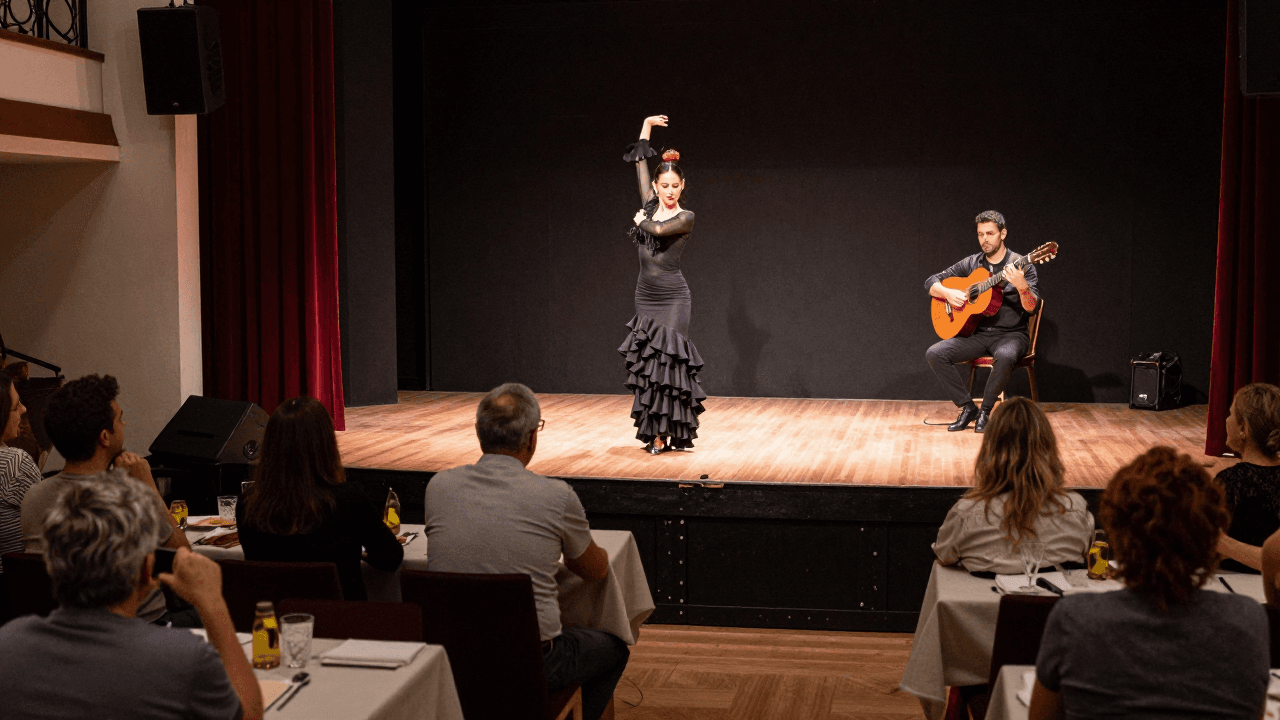
- Poetry and music. Poems set to music, spoken word nights and readings with a live instrumentalist bring verse close to song, where much of it started.
- Social media. Readers post a single line or a recording of themselves reading, often with a shared hashtag.
UNESCO itself marks the day at its Paris headquarters and runs the day as part of a wider calendar of international observances, but the real energy is local and unofficial.
How does Turkey mark World Poetry Day?
Turkey has a personal stake in this occasion, so the day tends to get a warm reception. Writers' associations, municipal cultural centres, universities and private schools organise readings around 21 March, and many events are open to anyone who walks in.
The editions in our own listings give a flavour of the format. In 2020, the Kozyatağı Cultural Centre in Istanbul hosted a Şiirin Seyri ("the course of poetry") programme in its conference hall, framed around the idea that the world and poetry are like lovers who cannot quite meet, and that each World Poetry Day brings them a little closer. In 2024, the Turkish Writers' Union (Türkiye Yazarlar Sendikası) marked the day inside its literature matinee series at the Barış Manço Cultural Centre in Bursa, under the invitation "may you too have a poem", with poems and songs shared between poets and readers. Neither of them is a festival with a grand budget. They are ordinary rooms where people listen, which is exactly the format the day is built for.
Key dates in the history of World Poetry Day
| Year | What happened |
|---|---|
| 1996 | First World Poetry Day organised in Istanbul and Ankara, on 21 April, by a Turkish poetry initiative (per PEN Türkiye) |
| 1997 | The proposal is taken to the International PEN Congress in Edinburgh and voted to be submitted to UNESCO |
| 1999 | UNESCO's 30th General Conference in Paris adopts 21 March as World Poetry Day |
| 2000 | First international celebration on 21 March |
What makes poetry worth a day of its own?
Poetry is the form in which language is most visibly worked on. A poem tells you that a word choice matters, that a pause matters, that the order of two words can change what a sentence feels like. That is useful far beyond literature. It is also one of the few art forms that needs almost nothing: a voice and a listener are enough, which is why it survives in oral traditions, in lullabies, in the songs of ashiks (Turkish folk bards who sing and play the saz), in rap and in slam poetry.
It is also a shared inheritance. Many people who say they do not read poetry can still recite a few lines from school, a song or a grandparent. World Poetry Day works because it starts from that memory rather than from an exam.
How can you take part?
You do not need a stage. A few practical ideas that work for beginners:
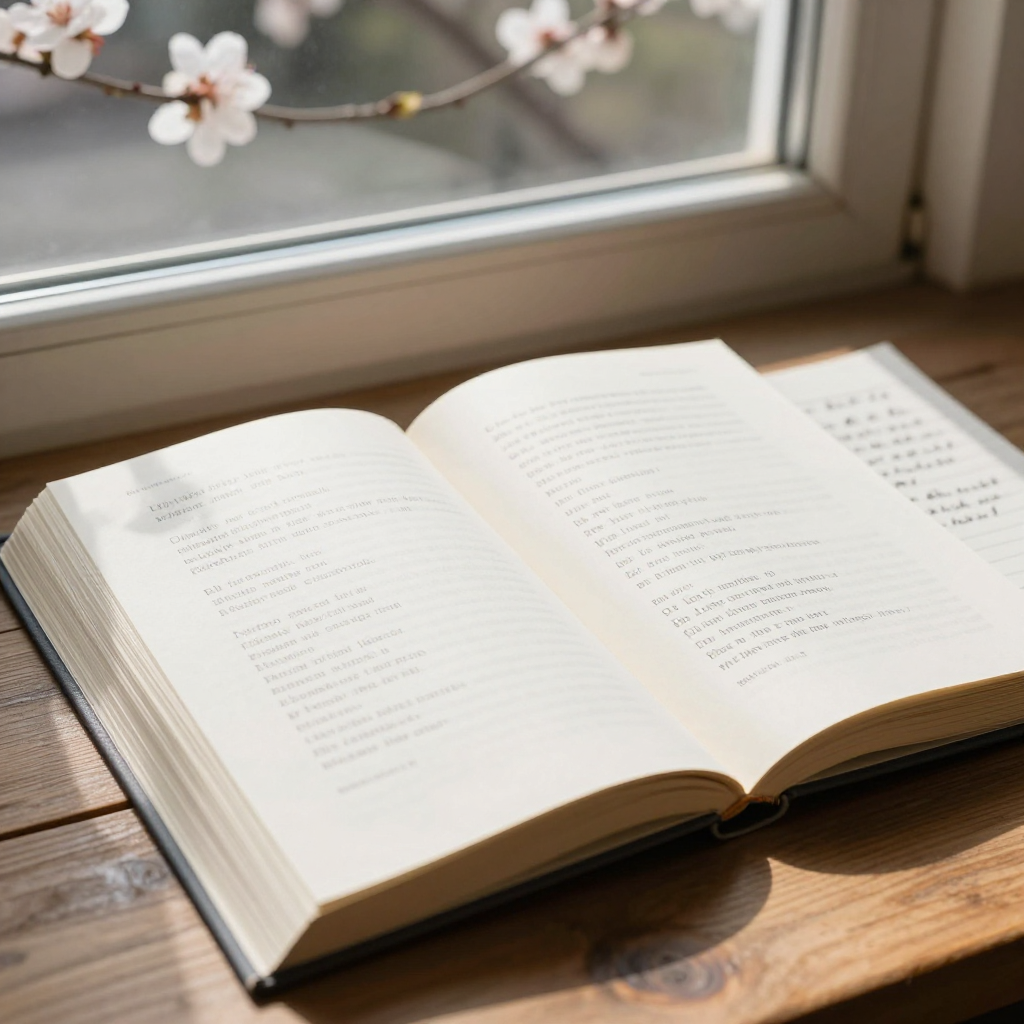
- Read one poem aloud. Silent reading is a different experience from hearing rhythm and breath, so choose something short and say it slowly.
- Pick a poem in a language that is not your first. Read a translation and, if you can, a line of the original.
- Ask an older relative for a poem they know by heart. This is where poetry in many families actually lives.
- Attend a local reading. Even a small one is a good introduction, and most are free to enter, though that varies.
- Write four lines. They do not have to be good. The point is to notice how difficult the compression is.
FAQ
When is World Poetry Day?
Every year on 21 March. UNESCO adopted the date in 1999, and the first international celebration took place in 2000.
Who created World Poetry Day?
UNESCO proclaimed it, but the idea came through writers' groups and diplomats. Turkish PEN and Tarık Günersel presented a proposal at the 1997 International PEN Congress, and Greece's ambassador to UNESCO, Vassilis Vassilikos, is also credited with proposing 21 March. Both countries claim a share.
What is the goal of World Poetry Day?
UNESCO says it aims to support linguistic diversity through poetic expression, give endangered languages more chances to be heard, honour poets, revive oral traditions and encourage the reading, writing and teaching of poetry.
Is World Poetry Day a public holiday?
No. It is an observance, not a holiday, so shops and offices work as normal, and events are organised by schools, libraries, associations and cultural centres.
Bring a poem to 21 March
World Poetry Day works best when it stops being an abstract observance and becomes a room with a few chairs, a voice and a poem. If you want to find a reading, a matinee or a literary evening in your city, browse the listings at takvim.in as March approaches, and if there is nothing nearby, read one aloud yourself. That still counts.