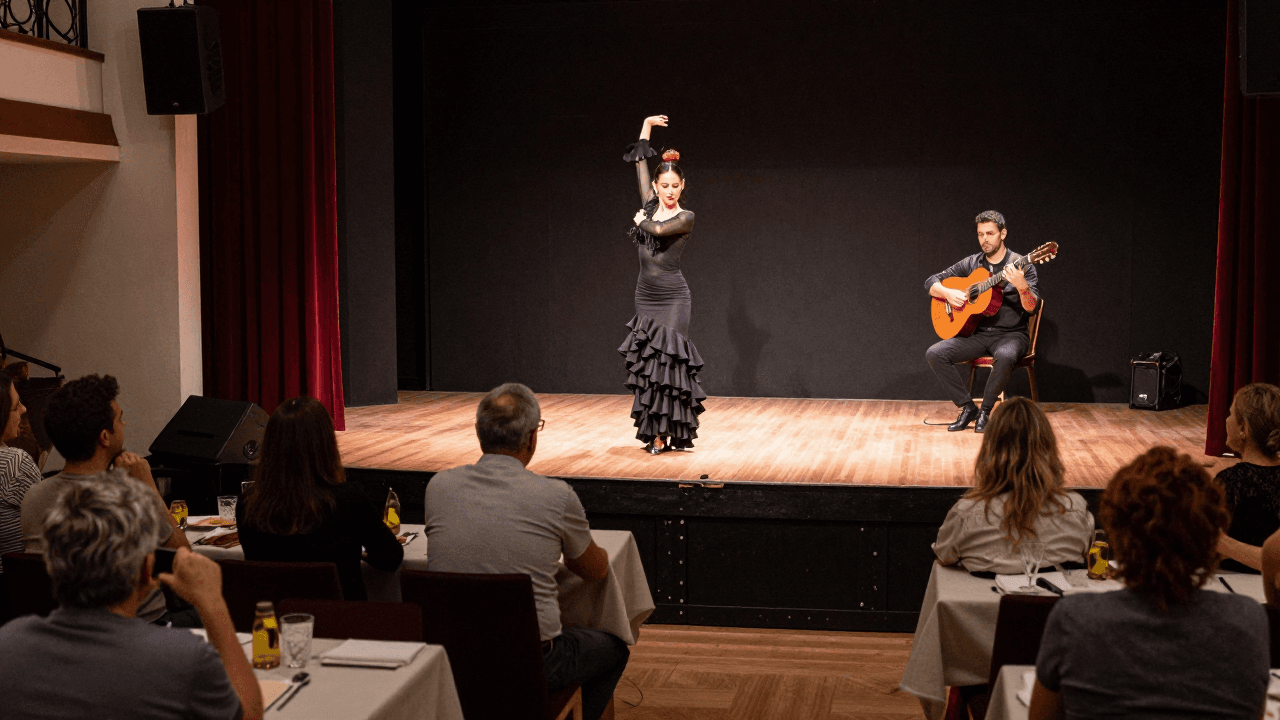
Every year on 27 March, a single short text travels around the world, is translated into dozens of languages and read aloud from stages in cities that have little else in common. It is written by one person, chosen for the year, and it is addressed to everyone who has ever sat in a dark room waiting for a curtain to rise. That is World Theatre Day, and on takvim.in it is the date many theatre lovers circle in the calendar.
Key takeaways
- World Theatre Day is held every year on 27 March and was started by the International Theatre Institute (ITI).
- The idea was proposed in June 1961 at the ITI's 9th World Congress in Vienna, and the first celebration took place on 27 March 1962.
- Its centrepiece is the International Message, written each year by a figure of world stature; Jean Cocteau wrote the first in 1962 and Willem Dafoe the one for 2026.
- ITI national centres, of which there are close to 100, organise the local celebrations, and in Turkey the day also has its own national message.
- In Turkey, state, city and private theatres, conservatories and university departments mark the date with special programmes, and free performances are common.
What is World Theatre Day?
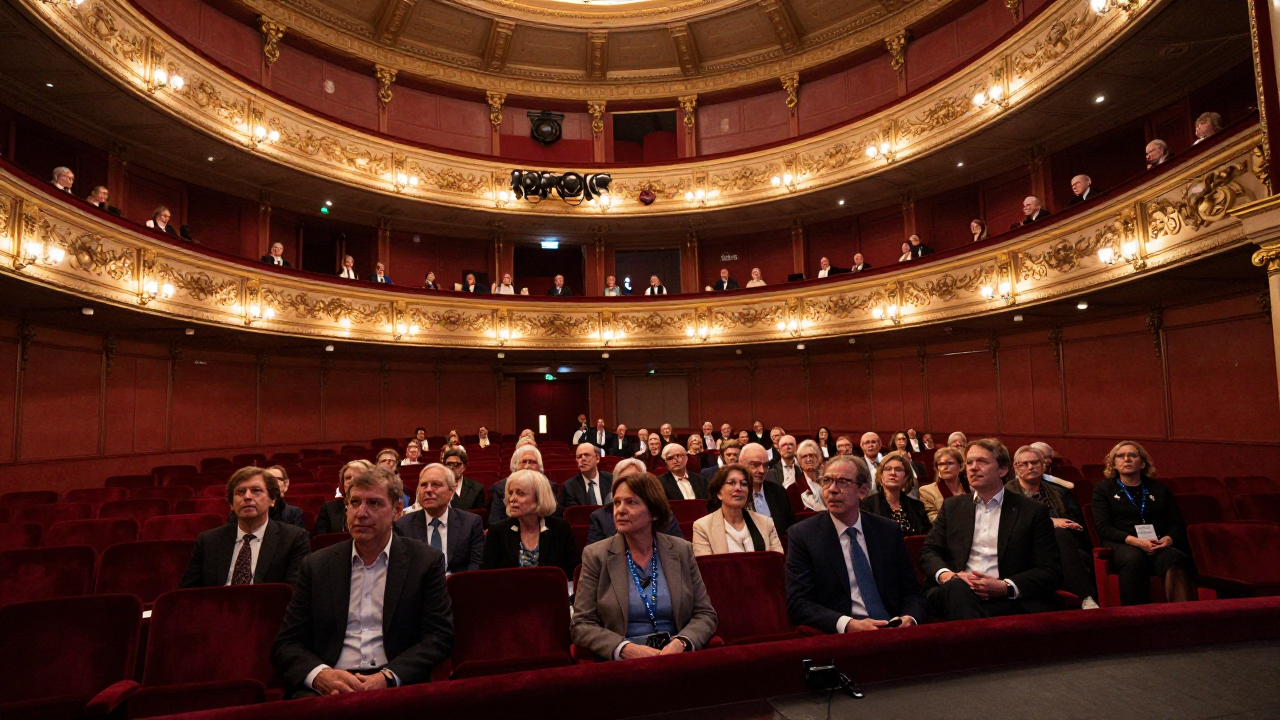
World Theatre Day is an annual observance dedicated to the art of theatre and to the people who make it: actors, directors, playwrights, designers, stage crews, ushers and the audiences who fill the seats. It is celebrated on 27 March everywhere, regardless of country. It is not a public holiday; nothing closes, and no one is asked to do anything in particular. Instead it works as a shared date on which theatres, schools and festivals choose to put their work in front of the public.
The one fixed ritual is the International Message. Each year the ITI asks a prominent figure from the performing arts or literature to reflect on theatre and what the organisation calls a culture of peace. The message is then distributed to ITI centres, translated and read before performances, printed in programmes and broadcast. Everything else, from a free matinee to a week-long festival, is left to whoever wants to take part.
Who created World Theatre Day, and when?
The organisation behind the day is the International Theatre Institute, usually shortened to ITI. It is a non-governmental organisation founded in Prague in 1948 by UNESCO together with the international theatre community. Its founding came just after the Second World War, on the initiative of UNESCO's first Director-General, Julian Huxley, and the writer J. B. Priestley, at a time when the Iron Curtain was beginning to split Europe.
The day itself has a clear paper trail. In June 1961, at the ITI's 9th World Congress in Vienna, Arvi Kivimaa, president of the Finnish Centre, proposed that a World Theatre Day be instituted. According to the ITI's own account, the proposal had the backing of the Scandinavian centres and was carried by acclamation, meaning it was approved by applause rather than by a counted vote.
The first celebration followed a year later, on 27 March 1962.
Why 27 March?
The date was not chosen for any ancient theatrical anniversary. It marks the opening of the Théâtre des Nations (Theatre of Nations) season in Paris in 1962. That season was an international festival that brought companies from different countries to one stage, so the choice fits the spirit of an organisation built to connect theatre people across borders. The date has stayed fixed ever since, which is part of the appeal: 27 March is simply World Theatre Day, and it lands on a different day of the week each year. In 2026, for instance, it fell on a Friday.
What is the International Message, and who writes it?
The International Message is the heart of the day. The ITI's Executive Council selects the author, who is invited to write on the theme of theatre and a culture of peace. The text is then translated widely; the ITI publishes it in its five working languages (English, French, Spanish, Chinese and Russian) and national centres add their own translations.
The list of authors reads like a tour of twentieth and twenty-first century culture. A selection, taken from the ITI's list of past message authors:
| Year | Author | Country |
|---|---|---|
| 1962 | Jean Cocteau | France |
| 1963 | Arthur Miller | USA |
| 1969 | Peter Brook | United Kingdom |
| 1971 | Pablo Neruda | Chile |
| 1986 | Wole Soyinka | Nigeria |
| 2010 | Judi Dench | United Kingdom |
| 2021 | Helen Mirren | United Kingdom |
| 2024 | Jon Fosse | Norway |
| 2025 | Theodoros Terzopoulos | Greece |
| 2026 | Willem Dafoe | USA |
Two details make the list more interesting than a roll call of famous names. Peter Brook appears twice, in 1969 and again in 1988. And the message for 1965 is listed as anonymous. Authors also come from far beyond the Anglophone stage: Miguel Angel Asturias of Guatemala in 1968, Pakistan's Shahid Nadeem in 2020, Egypt's Samiha Ayoub in 2023. Jon Fosse's 2024 message carried the title "Art is Peace".
What actually happens on World Theatre Day?
There is no single programme, and that is deliberate. The ITI describes the day as one that is marked through national and international theatre events organised by its centres and by the wider theatre community. In practice, that usually looks like a few recurring things:
- Readings of the message. Before an evening performance, an actor or artistic director reads the current International Message, and often the national one as well, to the audience.
- Open doors and special programmes. Some theatres run free or discounted performances, open rehearsals or backstage visits.
- School and university events. Drama departments and conservatories stage student productions, workshops and talks.
- Festivals. Some cities build a whole programme around the date, and the ITI has co-organised celebration events in host cities, such as the 2024 celebration in Langfang, China, held from 27 to 29 March.
Because the day is decentralised, what you find depends heavily on where you live and how closely local theatres follow the ITI calendar. That is precisely the reason a local event calendar is useful.
How is World Theatre Day observed in Turkey?
Turkey takes part through the ITI's Turkish representation, which also organises a national message (ulusal bildiri) alongside the international one. According to Turkish press coverage, the first national message on theatre was written by Muhsin Ertuğrul, the towering figure of the early Republic-era stage; sources I found do not give the year, so it is best left at that. Later authors have included writers, critics and academics. For 2023, for example, the message was written by the critic and academic Prof. Dr. Ayşegül Yüksel, chosen jointly by the ITI Türkiye representation board and the Bilkent University theatre department, which represents ITI's university network in Turkey.
On the day itself, the Turkish State Theatres (Devlet Tiyatroları), municipal theatres such as Istanbul's Şehir Tiyatroları, private companies, conservatories and university theatre departments all schedule events. Free performances are a common feature: Istanbul's Şehir Tiyatroları, for example, has offered free plays on several of its stages on 27 March in past years. The details change annually, so check the official pages of the theatres a few days ahead rather than relying on last year's pattern.
What makes World Theatre Day different from other world days?
Many international days are awareness campaigns with a slogan and a logo. World Theatre Day works differently, for three reasons.
- It is authored. A specific human being writes a specific text every year, which gives each edition a personality. Some years lean political, some poetic, some practical.
- It is run by practitioners. The ITI is a network of theatre professionals, and the day is aimed as much at the profession as at the public.
- It is unpackaged. There is no parade, no dish, no costume. The only requirement is that someone, somewhere, performs and someone else watches.
That last point is also why it suits the way people actually live with theatre. A visit to a small studio stage on 27 March counts as much as a gala at a national theatre.
How can you take part?
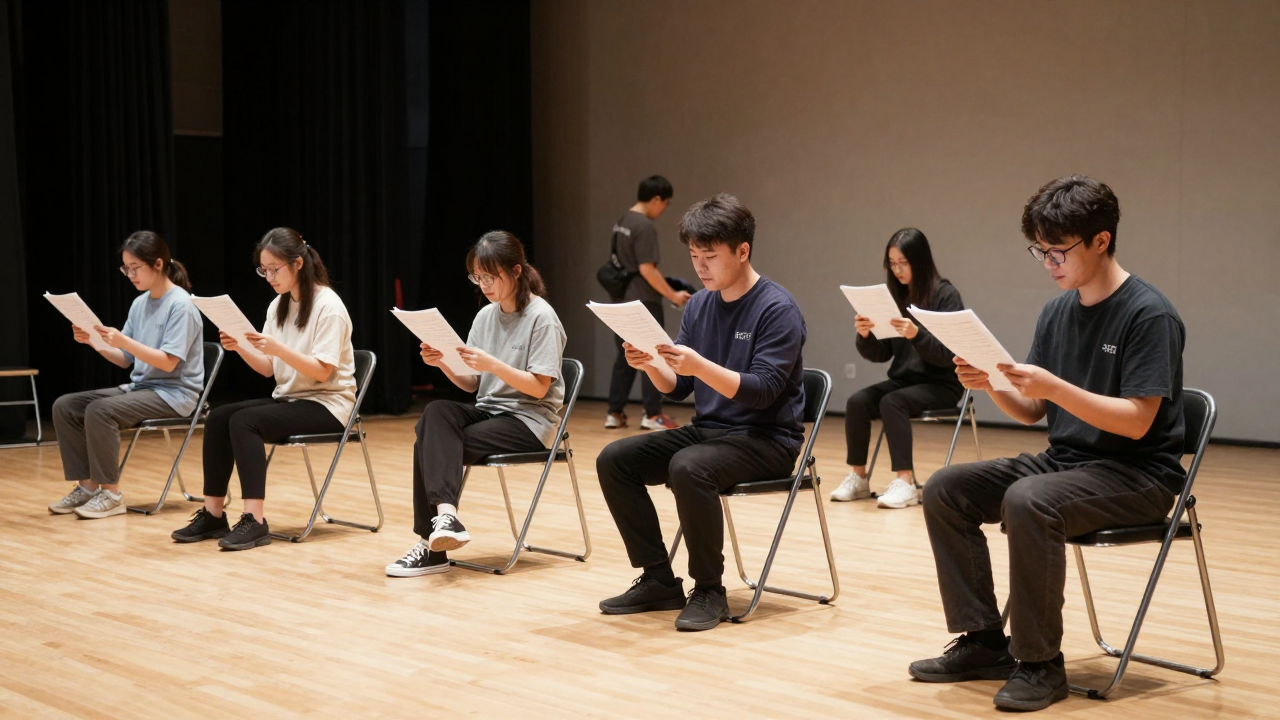
The best approach is practical rather than ceremonial.
- Look at the international and national messages first. They take a few minutes to read and give you a sense of what the theatre world is thinking about this year.
- Search local listings for the week around 27 March. Many venues stage related programmes on the days before and after, not only on the date itself.
- Pick a small production. The day is a good excuse to try a studio stage or a company you have not seen.
- Go with someone new. A person who has never seen live theatre is the best possible audience for a day meant to widen the circle.
- Read a play. If nothing is close by, a printed play or a public reading counts too.
Frequently asked questions
When is World Theatre Day?
Every year on 27 March. The date does not move, so the weekday changes annually.
Who started World Theatre Day?
The International Theatre Institute (ITI). The idea was proposed by Arvi Kivimaa of the Finnish Centre at the 9th ITI World Congress in Vienna in June 1961, and the first celebration took place on 27 March 1962.
Is World Theatre Day a public holiday?
No. It is a cultural observance rather than a day off. Theatres and schools mark it with programmes, but offices and shops continue as normal.
Are performances free on World Theatre Day?
Some are. Several Turkish theatres have offered free performances on the day in past years, but this is up to each institution and changes annually, so check the venue's own announcement.
Where to go from here
World Theatre Day asks very little of you: read one message, and see one play. To find performances, festivals and events near you, browse the calendar on takvim.in as 27 March approaches, and follow the theatres you like so that the date does not pass unnoticed.